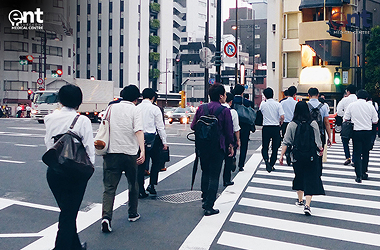
Urban air quality and health are more closely linked than many realise. While Singapore is known for its clean streets and greenery, factors such as humidity, indoor air conditions, and exposure to pollutants can still affect how well we breathe. For some, these may lead to mild discomfort, while others may experience ongoing issues with breathing that interfere with sleep, focus, or daily activities.
Here, we take a closer look at how the environment and lifestyle may contribute to breathing difficulties in Singapore and the simple, proactive steps you can take to protect your airway health.
One of the most noticeable factors affecting how we breathe outdoors is air quality. In a busy city like Singapore, traffic emissions and seasonal haze can sometimes make the air feel heavier and less comfortable to breathe. The fine particles in the air can irritate the nose and throat, leading to mild inflammation or discomfort.
If you have ongoing issues with breathing, such as asthma or allergic rhinitis, keep an eye on daily air quality levels. On days when conditions are poor, limit outdoor activities, wear a mask when necessary, and use an air purifier at home to keep your indoor environment cleaner.
Singapore’s warm and humid climate can make the air feel heavy, often aggravating nasal congestion or respiratory sensitivity. High humidity levels can also promote mould growth, which may trigger allergic reactions or worsen existing sinus symptoms.
Keep indoor humidity at a comfortable level by using air conditioning or a dehumidifier. Make sure to stay hydrated as well, as this can help thin out mucus secretions and improve airflow through the nasal passages.
Many Singaporeans spend much of their day indoors, be it at home, in offices, or on public transport. Unfortunately, enclosed spaces can trap dust, pet dander, and mould spores, which can irritate the nasal passages and airways. Over time, poor indoor air quality may lead to shortness of breath or recurring sinus discomfort.
Regular cleaning and good ventilation are crucial, especially for those with ongoing issues with breathing. Remember to change aircon filters, vacuum regularly, and open windows where possible to improve airflow. If your child often experiences nasal congestion or breathing difficulties, consider consulting a paediatric ENT specialist who can assess whether allergies or sinus-related conditions may be contributing to these symptoms.

Life in Singapore often means being surrounded by people on the MRT, in shopping malls, and in workspaces. While this is part of the city’s vibrant energy, spending too much time in crowded spaces can expose you to airborne irritants and germs that irritate the airways or trigger sinus reactions.
Practising good hygiene, such as frequent handwashing and avoiding touching your face, can help lower exposure to germs. After long commutes, gently cleansing the nasal passages with a saline spray can also help remove accumulated irritants and ease symptoms.
Occasional nasal congestion or shortness of breath may be common, but persistent symptoms should not be ignored. If you notice ongoing issues with your breathing, such as constant nasal blockage, difficulty sleeping due to congestion, or unexplained breathlessness, it may be time to seek medical evaluation.
At Dr Jenica Yong’s ENT clinic, we offer personalised care for both children and adults, focusing on identifying the underlying causes of their breathing discomfort. Whether your symptoms stem from allergies, sinus conditions, or other concerns, early assessment can provide relief and prevent further complications.
Book a consultation with us today.